Eggs, Beans and Lap Records: What British Racers Really Eat Before the Flag Drops
The Two Worlds of Race-Day Fuel
Stand in the paddock at a busy club meeting at Brands Hatch on a Sunday morning and you'll smell it before you see it: bacon, sausages, eggs. The full English is as much a part of British grassroots motorsport as the scrutineering sticker and the nervous first-timer double-checking their tyre pressures.
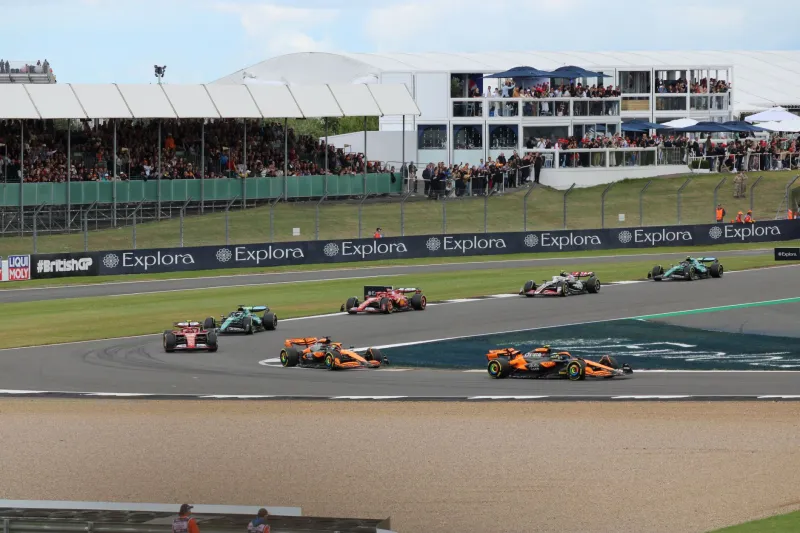
Now wander through the F1 paddock at Silverstone and the picture changes entirely. Forget the fry-up — you're more likely to catch a driver pushing almonds and slow-release carbs around a plate, timed to the minute against their session schedule.
Two sports, same country, wildly different relationships with food. And here's the thing: both have something to teach the rest of us.
Why Breakfast Actually Matters at 130mph
It sounds obvious, but motorsport is an endurance event for the body. Core temperatures in a touring car on a warm July afternoon can hit levels comparable to a marathon runner. Reaction time, concentration and even emotional control all degrade when blood sugar crashes or dehydration creeps in.
"Drivers are athletes whether the paddock likes it or not," one motorsport nutritionist told us. "The bloke doing thirty laps of a club meeting is making hundreds of decisions a lap. Fuel the body badly and you're adding half a second of hesitation to every one of them."
The science backs this up. Studies on cognitive performance in heat-stressed athletes show measurable declines in decision-making well before physical exhaustion sets in. In racing terms, that's the difference between a clean overtake and a trip across the gravel at Coppice.
The Full English Rebellion
So why does the club paddock still run on bacon butties? Partly tradition, partly logistics — a greasy spoon van is often the only catering for miles — and partly because, honestly, at club level the stakes and the session lengths are different.
There's also a psychological argument. Many amateur racers swear their pre-meeting fry-up is a ritual, a comfort blanket that settles the nerves better than any porridge pot. Sports psychologists call this routine anchoring; the rest of us call it superstition. Both camps might be right.
That said, even the die-hards are shifting. Talk to enough club racers and you'll hear about the slow migration towards overnight oats, bananas and electrolyte drinks — not because anyone's become precious, but because the guy who ate well simply felt sharper in the last ten minutes of the final race.
What the Elite Are Eating
At the sharp end, race-day nutrition is planned like a pit strategy. A typical elite driver's race-day looks something like this:
- Three hours out: a balanced meal built on slow-release carbohydrates — oats, wholegrain toast, lean protein
- 90 minutes out: a lighter top-up, easily digestible, low fat
- 30 minutes out: hydration with electrolytes, sometimes a small carbohydrate snack
- Between sessions: small, regular intakes rather than big hits, keeping blood sugar flat
Caffeine is dosed carefully — enough for alertness, not so much that hands shake on the wheel. Alcohol is, unsurprisingly, nowhere to be seen. And hydration is monitored almost obsessively, because even two percent dehydration measurably dulls reaction times.
Five Takeaways for Your Next Track Day
You don't need a nutritionist on the payroll to eat like a racer. Here's what translates to the amateur:
- Eat early, eat light. A proper meal three hours before your first session beats a sausage roll twenty minutes before it.
- Slow carbs over fast sugar. Porridge and wholegrain toast will carry you through the afternoon; a pasty will have you flagging by lunch.
- Drink more than you think. British weather is deceptive — you sweat plenty inside a helmet even on a grey day.
- Keep snacks small and regular. Bananas, nuts and cereal bars between sessions, not one big meal.
- Build your own ritual. Consistency matters as much as content. Find a routine that settles you and stick to it.
The Last Word
Is the full English going to disappear from British paddocks? Not a chance — and long may that continue. But the smart money, from club racer to world champion, is on treating food as part of the setup. You'll spend hundreds on suspension tweaks worth a tenth. Spending a moment's thought on your breakfast might just be the cheapest performance gain in the sport.