Number Plates and Pedigrees: The Truth About Buying an Ex-Race Car for the Road
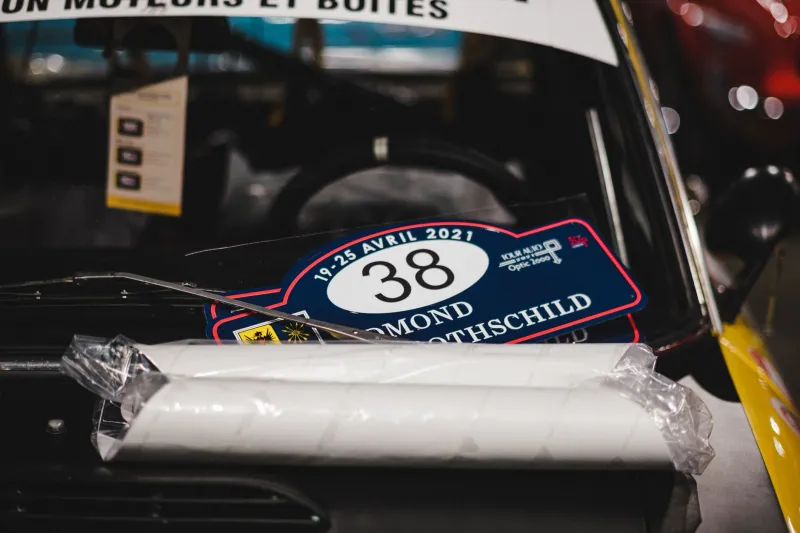
The Dream and the Reality
Every enthusiast has had the daydream: a genuine ex-race car on the driveway, number plate bolted on, still wearing its battle scars, turning heads at every set of traffic lights. The good news is that this dream is more achievable — and more sensible as an investment — than most people realise. The bad news is that the market is full of traps for the unwary.
Why Ex-Racers Are Having a Moment
The market for road-converted race cars has quietly boomed over the past few years. Part of it is nostalgia economics — cars that actually raced, with provenance you can verify, hold a romance that replica builds simply can't match. Part of it is the track-day generation growing up, keeping the toys but wanting to drive them to the circuit rather than trailering them.
And part of it is simple appreciation. A well-documented ex-BTCC shell that sold for the price of a used hatchback a decade ago can now command serious money, particularly if it has a race history that checks out.
What's Legal — and What Isn't
Converting a race car for the road in the UK is entirely possible, but the rules are stricter than most buyers assume. To be registered for road use, a car needs to satisfy the Individual Vehicle Approval (IVA) scheme, which covers everything from lighting and emissions to seatbelt anchorage points.
Key things to check before you buy:
- Does it have a current V5C, or a historic registration? Cars that have been off the register need to go through the full registration and IVA process — a genuine project, not a weekend job.
- Lights and visibility. Race cars often run without road-legal lighting, heated windscreens or proper mirrors. All must be fitted and functional.
- Noise. Race exhausts frequently blow past the 74dB IVA stationary test. Budget for a road-legal system.
- Emissions. Depending on the car's age, it may need to meet emissions standards appropriate to its date of first registration — another reason historic-registered cars are simpler.
The easiest route by far is buying a car that was road-legal before it went racing, and never lost its registration. The hardest is a purpose-built tube-frame racer that has never seen a road in its life — some of those will never be road-legal, full stop, no matter what the seller implies.
What's Worth the Money
Not all ex-racers are equal. A few rules of thumb from watching this market:
Provenance is everything. A car with period photographs, entries, and ideally a known driver is worth multiples of an identical car with a vague history. Buy the paperwork as much as the car.
Touring cars and saloons lead the way. Ex-BTCC machinery from the Supertouring era has become genuinely collectible, and even lower-tier saloon racers — think club-level Integras, E36s and the like — have followed upwards.
Single-seaters are a harder sell for the road. Legally converting an open-wheeler is close to impossible for most private buyers. Leave those to the historic racing scene, where they're properly valued.
Don't overpay for race prep. A road-converted car with a fresh race engine is paying for performance you can't legally use. What matters is usability, documentation and history.
The Watch-Outs
A few honest warnings from the paddock gossip network. Race engines live hard lives — a "rebuilt with zero miles" unit may have been rebuilt by someone with different standards to yours. Check for accident repairs; touring cars especially accumulate them. And be wary of anything described as "ex-race" without evidence — the phrase gets attached to a lot of cars whose racing career consists of one test day in 2009.
The Bottom Line
For the enthusiast dreaming of a number plate on their track toy, the ex-racer route is genuinely viable — and, done carefully, a better store of value than most road cars. Buy the history, verify the paperwork, budget honestly for the IVA process if there isn't a registration in place, and you could own a genuine piece of British racing history that you can legally drive to the pub.
Just don't blame us when the fuel bills arrive. Race engines have never heard of economy.