Sacred Tarmac: The Motorsport Pilgrimage Every British Racing Fan Needs to Make
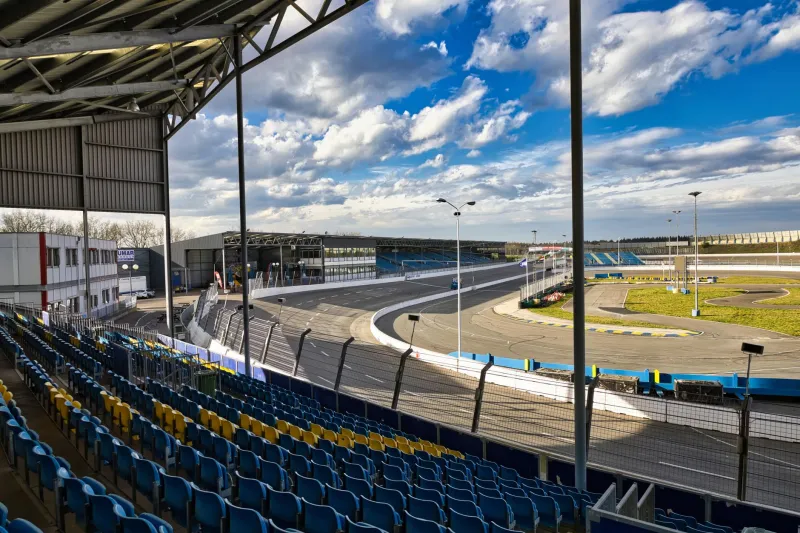
There's a particular kind of feeling you get when you stand at the pit lane exit at Brands Hatch for the first time. The tarmac stretches away into that famous dip, the grandstands loom overhead, and somewhere in the back of your mind you can hear the ghost of a thousand engines. No YouTube clip, no highlight reel, no simulator lap captures it. You have to be there.
Britain is, without question, the spiritual home of motorsport. We've got the circuits, the heritage, the workshops, the marques, and the mud-splattered club racers who keep the whole thing turning. But how many fans have actually done the pilgrimage? How many have stood on the hill at Donington, walked the paddock at Castle Combe, or made the trek up to the Scottish Highlands to catch a rally stage?
If the answer is "not enough of them," then this is for you. Grab a flask, plot a route, and let's talk about the places every serious motorsport fan needs to tick off.
Brands Hatch, Kent — Where Drama Lives
Let's start with the obvious one, because obvious doesn't mean overrated. Brands Hatch is theatrical in a way that most modern circuits simply aren't. The natural amphitheatre layout means you can stand in the infield and watch a huge chunk of the lap unfold around you. Paddock Hill Bend is genuinely frightening — cars crest the blind brow and plunge downhill at speeds that make your stomach drop in sympathy.
The circuit hosts British Touring Cars, British Superbikes, and occasional international events, so getting a race weekend ticket is straightforward enough. But honestly? Even on a quiet midweek test day, there's something magical about the place. The Kent countryside rolls away behind the barriers, and it's easy to forget you're less than 30 miles from central London.
Practical tip: Park in the infield if you can. The hill walk is part of the experience, but your knees will thank you by the end of the day.
Donington Park, Leicestershire — History You Can Touch
Donington doesn't get the romantic treatment it deserves. This is a circuit that hosted the British Grand Prix, witnessed Ayrton Senna produce arguably the greatest opening lap in Formula 1 history at the 1993 European Grand Prix, and served as the home of the Donington Collection — one of the finest gatherings of Grand Prix cars ever assembled under one roof.
The Donington Grand Prix Collection is the hidden gem here. Rows of immaculate single-seaters spanning decades of racing history, from pre-war Auto Unions to 1980s turbo monsters. If you've got even a passing interest in Formula 1 history, you could lose an entire afternoon in there without noticing.
The circuit itself runs a packed calendar of club and national events throughout the season. Entry is often very reasonable, and the atmosphere at a busy BTCC or Superbike weekend is genuinely electric.
Castle Combe, Wiltshire — Britain's Fastest Village
There's a reason Castle Combe is called Britain's fastest village. Tucked into a fold in the Wiltshire countryside, the circuit sits on the edge of one of England's most picturesque villages — all honey-coloured stone and impossibly green hedgerows. The contrast between the quaint surroundings and the flat-out racing that unfolds on the tarmac is genuinely surreal.
Castle Combe is the home of club racing at its purest. Formula Fords, single-make saloon championships, historic tin-tops — this is where grassroots motorsport breathes freely. Tickets are affordable, the paddock is accessible, and you'll likely end up chatting to the driver whose car you just watched spin at Camp Corner. That kind of connection is increasingly rare at the bigger venues.
Practical tip: The circuit runs Action Days where members of the public can drive their own road cars on the circuit. Fancy a lap in your Fiesta? This is your spot.
Goodwood Motor Circuit, West Sussex — Where Time Stands Still
Goodwood is unlike anywhere else in British motorsport. The Revival and Festival of Speed aren't just events — they're full-blown experiences that blur the line between sport, theatre, and living history. The Revival in particular is something else entirely: period dress encouraged, modern technology politely hidden away, and racing machinery from the 1940s through to the early 1970s thundering around a circuit that feels genuinely unchanged.
Even outside of the big events, the Goodwood estate rewards exploration. The hillclimb course is one of the most recognisable stretches of tarmac in the world, and the surrounding estate has a history that stretches back through generations of British motorsport royalty.
Festival of Speed tickets sell out quickly, so plan well ahead. The Revival is pricier but worth every penny for the sheer spectacle.
Prescott Hill Climb, Gloucestershire — Motorsport's Best-Kept Secret
Not everyone has heard of Prescott, and that's precisely what makes it special. Run by the Bugatti Owners' Club — yes, really — this Gloucestershire hillclimb venue has been sending cars up a narrow, tree-lined course since 1938. It's intimate, eccentric, and absolutely brilliant.
Hillclimb as a discipline often flies under the radar, which is baffling when you consider how accessible it is as a spectator sport. At Prescott, you can stand mere feet from the action, watch everything from vintage machinery to modern single-seaters, and have a genuinely personal experience with the sport. Bring a picnic, find a spot on the bank, and settle in.
The Highlands, Scotland — Rally Country
No motorsport pilgrimage is complete without heading north. The Scottish Rally Championship and events like the Mull Rally take competitors through some of the most breathtaking — and terrifying — road sections in Britain. Narrow lanes, blind crests, stone walls that leave absolutely no margin for error.
Watching a stage rally in the Scottish Highlands is a completely different beast from circuit racing. You hike to a spectator point, you wait, you hear the distant wail of an engine growing louder, and then — in a flash of colour and gravel — it's gone. The silence that follows is almost as dramatic as the car itself.
Why It Matters
You can follow motorsport perfectly well from your sofa. The coverage is better than ever, the data is richer, and the cameras get closer to the action than any grandstand seat. But none of that replaces the smell of race fuel hanging in the air, the physical thud of a car blasting past the barrier, or the quiet reverence of standing in a paddock where legends once worked.
Britain's motorsport venues aren't just places where racing happens. They're the chapters of a story that's been building for over a century. And the only way to properly read them is to show up in person.
So plan the trip. Do the pilgrimage. The tarmac's waiting.