Built in Britain, Born to Race: The Backyard Engineers Rewriting the Rules of Powertrain Development
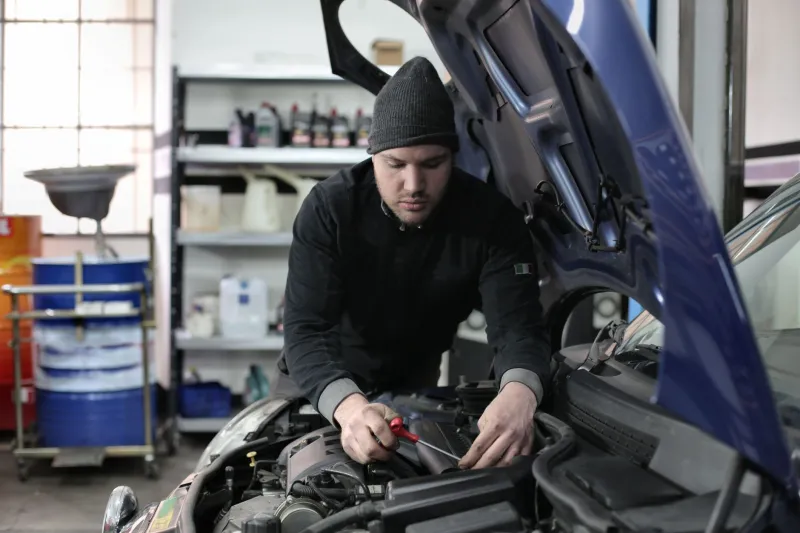
There's a particular kind of madness that grips a certain type of British engineer. It's the sort that keeps the lights on in a Northamptonshire unit until two in the morning, that fills notebooks with torque curves and combustion chamber sketches, and that quietly, stubbornly refuses to accept that the big manufacturers have already figured everything out. It's the same madness, arguably, that built this country's motorsport industry from scratch — and right now, it's pointed squarely at the engine.
While the headlines get hogged by Formula 1's hybrid power unit saga and the endless political wrangling over future fuel regulations, something genuinely fascinating is brewing further down the motorsport food chain. Independent British engineers and small development teams are taking serious swings at powertrain technology — hydrogen combustion, synthetic fuel optimisation, radically rethought forced induction systems — and doing it on budgets that would make an F1 team's catering department wince.
The Workshop Revolution
The UK has always punched above its weight in motorsport engineering. The so-called 'Motorsport Valley' — that cluster of expertise running roughly between Oxford and Milton Keynes — is well documented. But the innovation we're talking about here isn't happening in gleaming facilities with ISO certification on the wall. It's happening in the kind of places where the floor is stained with decades of oil and the kettle's always on.
Small operations like these have historically been the lifeblood of British club and hillclimb racing, tuning production engines to within an inch of their lives for competitors running on shoestring budgets. But the conversation has shifted. The combination of tightening emissions legislation, an increasingly diverse fuel landscape, and the genuine excitement around alternative propulsion has given these engineers a new and urgent creative brief.
Some are exploring the potential of e-fuels — synthetic, carbon-neutral alternatives to petrol — not just as a compliance exercise, but as a genuine performance opportunity. Others are revisiting combustion geometry concepts that the industry largely abandoned in the 1980s and 1990s, now armed with modern materials and simulation software that their predecessors could only dream of. A few are going further still, experimenting with hydrogen combustion in internal combustion engines rather than fuel cells — a technology that offers the familiarity of a revving, roaring engine alongside near-zero direct emissions.
The Financial Tightrope
Here's where the romance collides with reality. Developing a new powertrain concept isn't cheap, even if you're doing it in a shed. Machining costs, dyno time, specialist components, and the sheer number of iterations required to go from 'interesting idea' to 'something that actually works in a race car' all add up with brutal speed.
Many of these small outfits are funding their work through a patchwork of motorsport servicing contracts, private investment from enthusiastic backers, and — increasingly — grants from bodies like Innovate UK, which has shown genuine interest in supporting motorsport-adjacent propulsion research. The Motorsport Industry Association has also been vocal about lobbying for better access to development funding for small British engineering businesses, recognising that the next breakthrough is just as likely to emerge from an independent team as from a corporate lab.
But the margins are perilously thin. One bad season, one key customer pulling out, one expensive prototype that doesn't deliver — any of these can be enough to shut the lights off permanently. The engineers involved know this. Most of them have seen colleagues go under. They carry on anyway, because that's what this particular breed of British motorsport obsessive does.
Why It Matters Beyond the Racetrack
It would be easy to frame this purely as a motorsport story — plucky underdogs having a crack at the establishment — and there's certainly plenty of that energy here. But the implications stretch considerably further.
The automotive industry is in the middle of its most turbulent transition in a century. The direction of travel on electrification is clear enough, but the route — and the role that combustion engines might still play, particularly in performance and motorsport applications — remains genuinely contested. The work being done by these small British teams isn't just about winning at Donington or Oulton Park. It's about demonstrating that there are viable, exciting, and potentially commercially relevant paths that the major manufacturers aren't fully exploring.
Historically, motorsport has served as exactly this kind of development accelerator. Disc brakes, semi-automatic gearboxes, active suspension in road cars — all of these owe something to racing's willingness to experiment. There's no reason that tradition has to stop now, and the engineers beavering away in British workshops are very much part of that lineage.
Backing the Underdogs
What's striking when you talk to people involved in this world — and we've spoken to a few, though most prefer to keep their specific projects close to their chests until they're ready to show something — is the quiet confidence. These aren't dreamers detached from reality. They're pragmatic, technically rigorous people who've simply identified gaps in the mainstream approach and decided to go after them.
The risks are real and they know it. The financial exposure is significant. But the potential — technical, commercial, and for British motorsport's global reputation — is significant too. If even one of these projects produces something genuinely transformative, the ripple effects could be substantial.
Britain built its motorsport identity on exactly this kind of restless, resource-efficient ingenuity. Colin Chapman's obsession with lightness and innovation. The tiny Cosworth operation that ended up powering decades of Formula 1. The tradition is long and it's proud.
The next chapter might just be written in a workshop you've never heard of, by an engineer you've never met, working on an engine concept that doesn't exist yet in any manufacturer's roadmap. That's not a risk. That's a very British kind of opportunity.